
Scaling a Fintech Platform: The Hidden Bottlenecks That Break Growth (and How to Solve Them)

Scaling a fintech platform is not just about handling more users or processing more transactions. It’s about surviving pressure points that only appear after traction begins. Many promising fintech products fail not because of poor ideas but because the foundation cracks under scale.

Let’s break down what fails first when fintech platforms scale and how to fix it before it costs you users, trust, or compliance.

1. Infrastructure Buckles Under Transaction Load

What fails first:
As transaction volume grows, systems built for MVPs struggle with:

  • Slow payment processing
  • API timeouts
  • Failed retries and duplicate transactions

This often happens when synchronous systems, single databases, or poorly designed queues are used early on.

How to fix it:

  • Move to event-driven architecture
  • Introduce message queues for payments and callbacks
  • Use idempotent APIs to avoid duplicate transactions
  • Separate read/write databases and scale horizontally

Scaling infrastructure early saves massive rework later.

Planning to scale your fintech platform?
👉 Get expert help designing scalable, secure, and compliant fintech systems from day one.

Talk to a Fintech Architect

2. Compliance & KYC Becomes a Bottleneck

What fails first:
Manual or semi-automated KYC/AML flows don’t scale. Suddenly:

  • Onboarding slows down
  • Manual reviews pile up
  • Regulatory risk increases

Many platforms underestimate how fast compliance complexity grows.

How to fix it:

  • Automate KYC and AML workflows
  • Use rule-based + AI-assisted verification
  • Build configurable compliance engines (not hardcoded rules)
  • Log everything for audits from day one

Compliance should scale with users, not against them.

3. Data Architecture Starts to Collapse

What fails first:
Early-stage fintechs often use a single database for everything. At scale, this leads to:

  • Slow dashboards
  • Inaccurate reporting
  • Delayed reconciliations

Financial data is sensitive and latency here kills trust.

How to fix it:

  • Separate transactional data from analytics data
  • Introduce data pipelines for reporting
  • Use immutable ledgers for financial records
  • Reconcile automatically, not manually

Clean data architecture is non-negotiable in fintech.

4. Security Gaps Get Exposed

What fails first:
As visibility grows, so do attacks. Common issues include:

  • Weak role-based access
  • Overexposed APIs
  • Insecure third-party integrations

Security shortcuts taken early become expensive liabilities later.

How to fix it:

  • Implement strict role-based access control (RBAC)
  • Encrypt sensitive data at rest and in transit
  • Rotate keys and tokens regularly
  • Conduct security audits before not after incidents

In fintech, security is part of the product.

5. Operational Processes Don’t Scale

What fails first:
Manual payouts, reconciliations, and customer support processes break under volume:

  • Finance teams get overwhelmed
  • Support tickets explode
  • Errors increase silently

Growth exposes operational inefficiencies fast.

How to fix it:

  • Automate payouts and internal wallet systems
  • Build internal admin tools early
  • Add workflow automation for finance and support
  • Track every operation with clear audit trails

Operational scalability is just as critical as technical scalability.

Scaling fast without breaking compliance?
👉 We help fintechs automate KYC, AML, payments, and reporting without slowing growth.

Book a Free Consultation

Final Thought: Scale Is a Test of Foundations

Most fintech platforms don’t fail because of lack of demand they fail because their architecture, compliance, and operations weren’t built for growth.

If you’re planning to scale:

  • Design for volume early
  • Automate aggressively
  • Treat compliance and security as core features
  • Build systems your team can operate at 10× growth

Scaling isn’t about growing fast it’s about not breaking while you do.
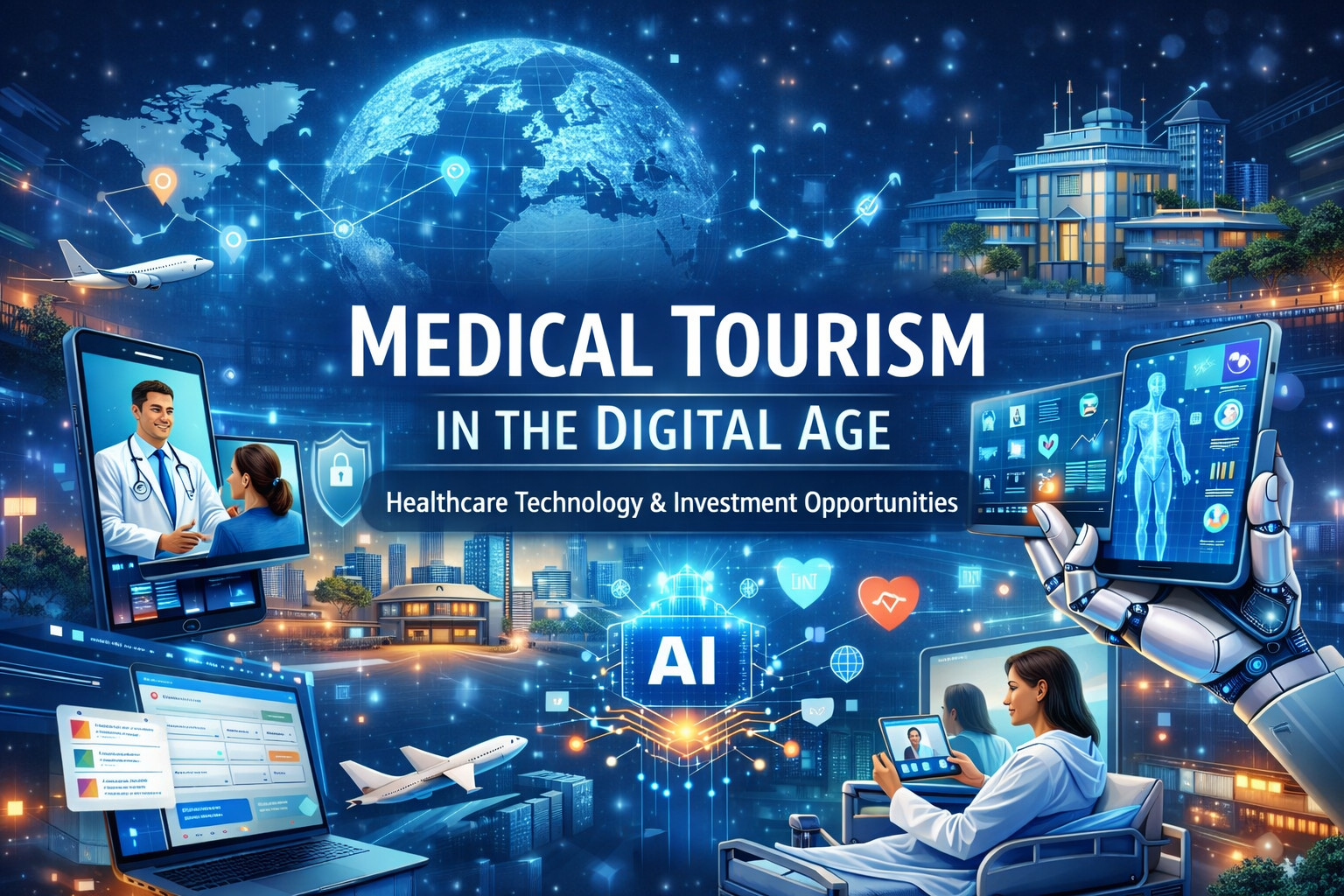
Medical Tourism in the Digital Age: A Strategic Opportunity for Healthcare Providers and Investors

Medical tourism is evolving from a destination-based service into a technology-driven healthcare ecosystem. For hospitals, healthcare providers, and investors, digital platforms, AI, and mobile apps are no longer optional they are the foundation for scalable growth, operational efficiency, and global patient trust.

1. Technology as a Patient Acquisition Engine

Digital platforms enable healthcare providers to attract international patients consistently and predictably. Instead of relying on brokers or offline referrals, providers can now control their own digital funnel through:

  • Transparent treatment packages and pricing
  • Verified accreditations and clinical outcomes
  • Specialist profiles with real patient success stories
  • Centralized inquiry and lead management

2. Pre-Treatment Optimization Through Telemedicine

Telemedicine is transforming how global patients engage with providers before traveling. Virtual consultations allow hospitals to evaluate cases early, reduce uncertainty, and improve treatment readiness.

Key benefits include:

  • Higher-quality patient intake
  • Fewer last-minute cancellations
  • Better scheduling and resource planning
  • Improved clinical preparedness

Build a Patient App for Medical Tourism


3. Mobile Apps as the Core Patient Experience Layer

Medical tourism apps now serve as a digital care companion throughout the patient journey—before, during, and after treatment.

Core capabilities include:

  • Appointment and procedure scheduling
  • Secure medical document storage
  • Automated reminders and recovery instructions
  • Multilingual chat and patient support

For providers, this significantly reduces administrative workload. For investors, it signals a scalable, technology-backed operation.

4. AI-Driven Automation and Intelligent Care Delivery

Artificial Intelligence allows healthcare organizations to scale operations without scaling costs. AI-powered systems can:

  • Respond to patient inquiries 24/7
  • Triage cases automatically
  • Match patients with the right specialists
  • Personalize recovery plans and follow-ups

This creates faster response times, better patient satisfaction, and stronger operational margins.

5. Data Security, Compliance, and Long-Term Value

Secure digital infrastructure ensures compliance with global healthcare data regulations and builds trust with international patients. Strong post-treatment engagement increases referrals, retention, and long-term value.

Why Medical Tourism Is a High-Growth Digital Investment

Medical tourism is no longer driven by geography—it’s driven by technology. Providers gain global reach and efficiency, while investors benefit from scalable, defensible, and data-driven healthcare platforms.

🚀 Ready to Build or Invest in Medical Tourism Technology?

We help healthcare providers and investors design and develop:

  • Medical tourism platforms
  • Patient mobile applications
  • Telemedicine & AI systems
  • Secure, scalable healthcare infrastructure

Book a Free Strategy Call

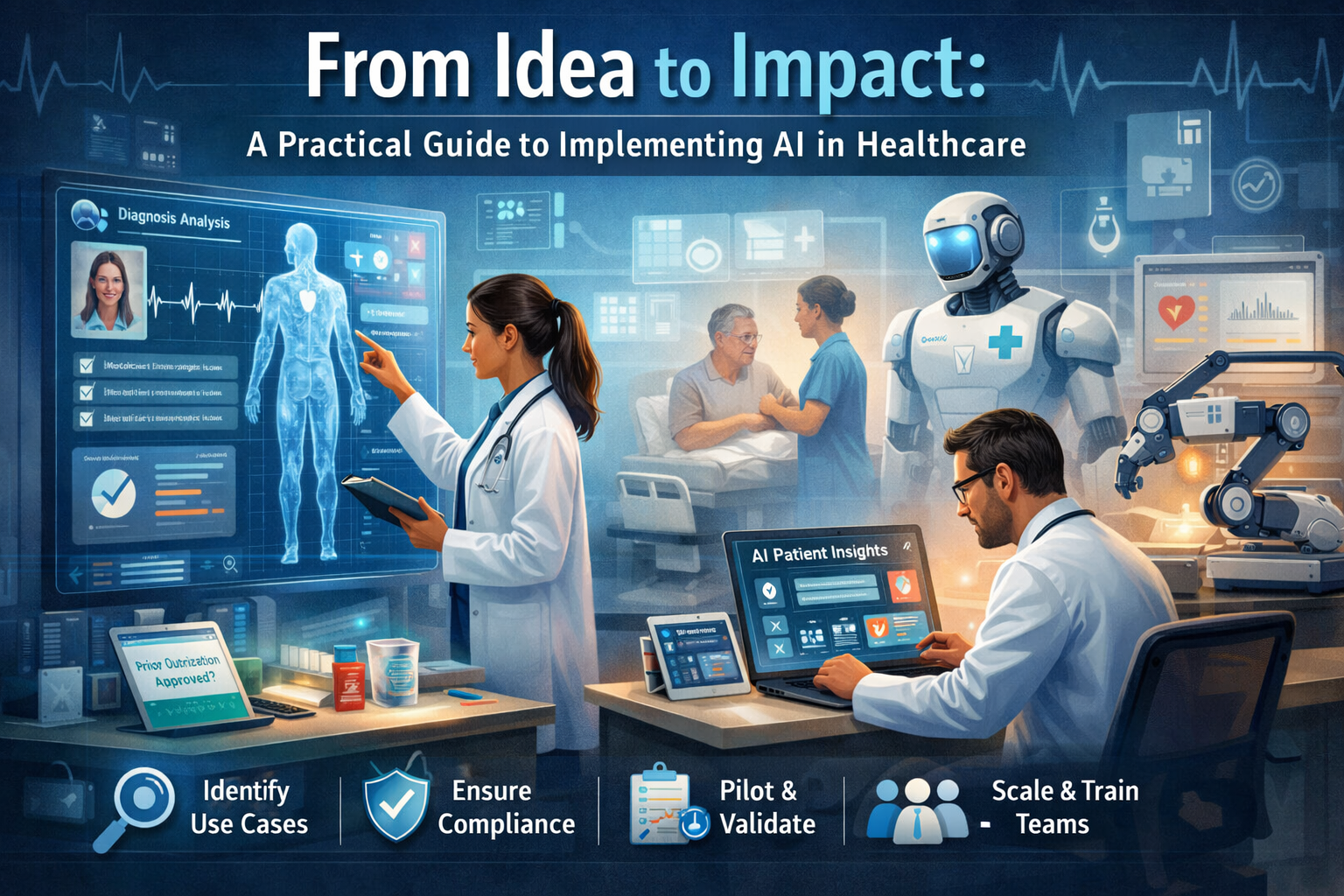
From Idea to Impact: A Practical Guide to Implementing AI in Healthcare

Artificial Intelligence is rapidly transforming healthcare but many organizations struggle to move from AI ideas to real, measurable impact. The challenge isn’t lack of interest; it’s execution, compliance, and integration with existing healthcare workflows.

This guide breaks down a practical, compliant, and results-driven approach to implementing AI in healthcare.

Step 1: Identify High-Impact Healthcare Use Cases

Successful healthcare AI starts with real clinical or operational pain points, not buzzwords.

High-Value AI Use Cases in Healthcare

  • Patient appointment scheduling & reminders
  • AI-powered triage and symptom pre-assessment
  • Clinical documentation automation (SOAP notes, summaries)
  • Medical billing & coding assistance
  • Prior authorization and insurance verification
  • Caregiver training & compliance monitoring
  • Patient engagement via chatbots (web, app, WhatsApp)

👉 Rule of thumb: If the task is repetitive, time-consuming, or data-heavy, AI can help.

Step 2: Ensure Data Readiness & Compliance

Healthcare AI lives or dies by data quality and regulatory compliance.

Key Considerations

  • Structured vs unstructured data (EHRs, PDFs, notes)
  • Data privacy (HIPAA, GDPR, local healthcare regulations)
  • Role-based access control
  • Audit logs and traceability

Best Practices

  • Use de-identified or anonymized data for AI training
  • Apply least-privilege access for staff and systems
  • Avoid storing sensitive patient data inside AI models

AI must support compliance not introduce new risks.

Thinking about using AI in your healthcare organization but not sure where to start?

Book a Free Healthcare AI Consultation

We’ll help you identify high-impact use cases, define a compliant AI roadmap, and estimate cost & timelines no technical jargon, no obligation.

Step 3: Choose the Right AI Implementation Partner

Healthcare AI is not a plug-and-play SaaS tool. It requires domain expertise, compliance awareness, and real-world execution.

What to Look for in an AI Partner

  • Proven healthcare workflow experience
  • HIPAA-compliant system design
  • Integration with EMRs, CRMs, and billing systems
  • Clear audit logs and explainability
  • MVP-first approach (pilot → validate → scale)

Avoid vendors who sell generic AI demos without healthcare context.

Step 4: Build a Pilot (MVP) Before Full Rollout

Start small. Prove value. Then scale.

Example Healthcare AI MVPs

  • AI assistant for patient FAQs and appointment status
  • Automated intake form analysis and summarization
  • Caregiver training chatbot with compliance tracking
  • Internal AI for claims or eligibility verification

Measure Early Success By

  • Reduced admin workload
  • Faster patient response times
  • Lower operational costs
  • Improved patient satisfaction

A focused MVP in 4–6 weeks is often enough to validate ROI.

Step 5: Integrate AI into Daily Clinical & Admin Workflows

AI should blend into existing workflows, not disrupt them.

Smart Integration Points

  • Patient portals & mobile apps
  • WhatsApp or SMS patient communication
  • Admin dashboards
  • EMR, CRM, and billing systems

The best healthcare AI feels invisible it simply makes work easier.

Final Thoughts

AI in healthcare is a long-term capability, not a one-time project.

When done right, AI helps:

  • Reduce staff burnout
  • Improve patient experience
  • Lower operational costs
  • Enable faster, smarter decisions

The key is starting with the right use case, the right partner, and a compliance-first mindset.

The Tourism Industry: Connecting People, Places, and Experiences

The tourism industry is one of the world’s most dynamic and influential sectors. It connects cultures, supports local economies, creates jobs, and gives people the opportunity to explore new destinations and experiences. From family vacations and adventure travel to business trips and luxury getaways, tourism touches almost every corner of the globe.

Over the years, the industry has evolved far beyond simple travel and accommodation. Today, tourism includes airlines, hotels, tour operators, travel agencies, restaurants, transport services, attractions, and digital platforms that bring everything together. As travelers become more informed and expectations rise, the industry continues to adapt to deliver more personalized, seamless, and memorable journeys.

Looking to automate bookings, personalize travel experiences, or add an AI chatbot to your tourism platform? Let’s build it together.”

Build Your AI-Powered Travel Solution


The Importance of Tourism to the Global Economy

Tourism plays a critical role in economic growth. It generates millions of jobs, especially in developing regions where tourism can be a major source of income. Small businesses such as local guides, restaurants, souvenir shops, and transport providers often depend heavily on tourist activity.

Beyond economics, tourism also promotes cultural exchange. Travelers learn about new traditions, cuisines, and lifestyles, while host communities gain exposure to global perspectives. When managed responsibly, tourism can also encourage environmental conservation and preservation of heritage sites.

Changing Traveler Expectations

Modern travelers are more tech-savvy and experience-driven than ever before. They expect:

  • Quick and easy trip planning
  • Transparent pricing and availability
  • Personalized recommendations
  • Instant support before, during, and after their trip

This shift has pushed tourism businesses to adopt digital tools such as online booking systems, mobile apps, review platforms, and real-time communication channels.

How AI Is Transforming the Tourism Industry

Artificial Intelligence (AI) is now becoming a powerful driver of innovation in the tourism sector. It helps businesses improve efficiency while delivering better experiences to travelers.

Some key ways AI is helping the tourism industry include:

1. Smart Trip Planning
AI can analyze traveler preferences, budgets, and past behavior to recommend destinations, hotels, and activities. Instead of browsing dozens of websites, travelers can receive tailored suggestions in seconds.

2. AI Chatbots and Virtual Assistants
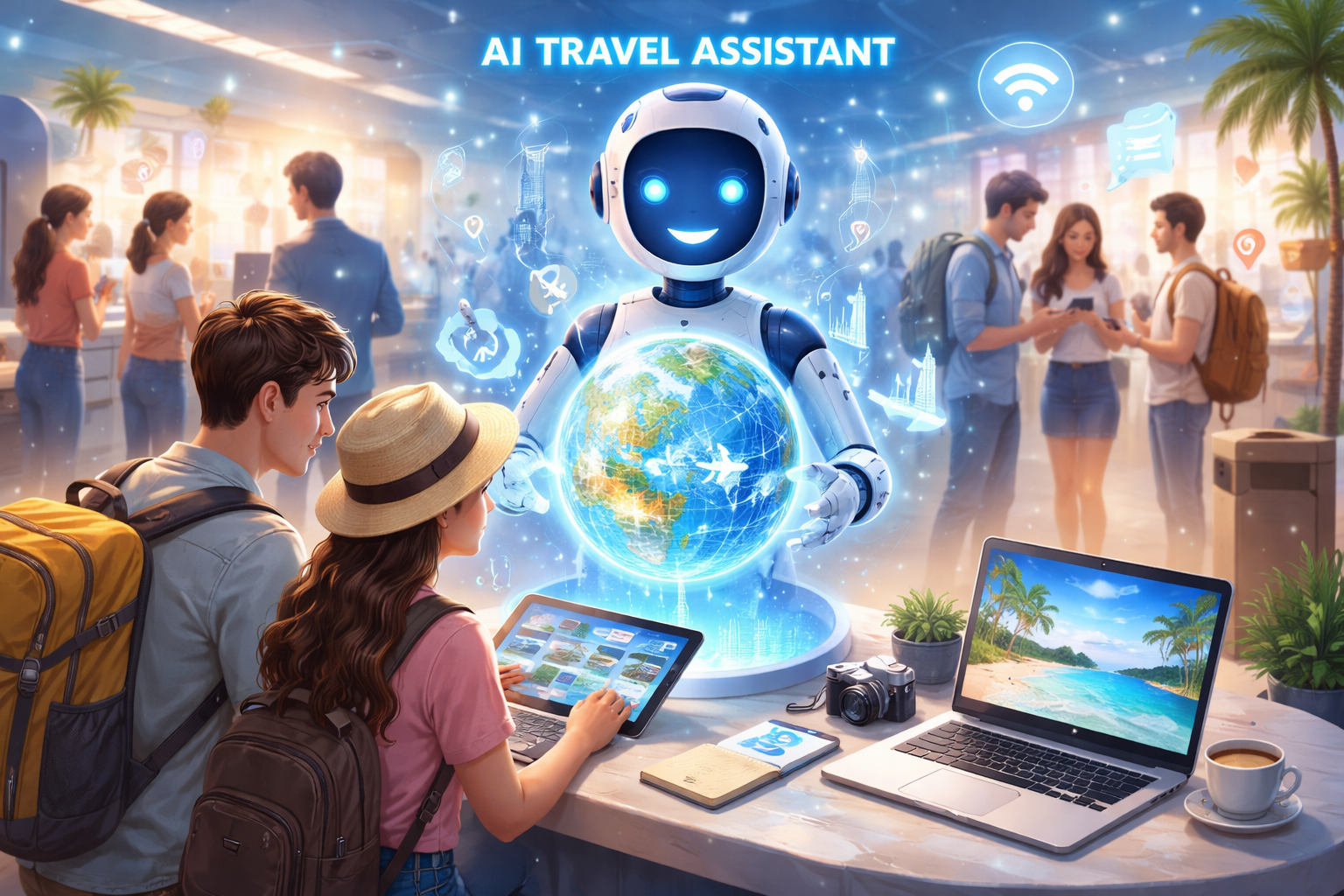
AI-powered chatbots on websites and messaging apps (like WhatsApp) can answer customer questions 24/7. They help with booking confirmations, itinerary details, cancellation policies, and even last-minute changes—reducing workload on human support teams.

3. Personalized Marketing
AI helps tourism companies send the right offers to the right customers. By analyzing data, businesses can promote relevant tours, seasonal deals, or upgrades that match individual interests, increasing conversion rates.

4. Demand Forecasting and Pricing
Hotels and airlines use AI to predict demand and optimize pricing. This allows better inventory management, fewer empty rooms or seats, and more competitive pricing for travelers.

5. Enhanced On-Trip Experience
From AI-based translation tools to smart recommendations for nearby attractions and restaurants, travelers can enjoy smoother and more immersive experiences at their destination.

The Road Ahead

As technology continues to advance, the tourism industry will become even more intelligent, automated, and customer-centric. AI will not replace human hospitality, but it will enhance it—handling repetitive tasks, providing insights, and enabling staff to focus on creating meaningful experiences.

In the future, the most successful tourism businesses will be those that combine authentic human service with smart digital solutions. By embracing AI responsibly, the tourism industry can offer travelers faster service, better personalization, and unforgettable journeys—while operating more efficiently and sustainably.

Tourism has always been about discovery. With AI as a supporting partner, that discovery is becoming smarter, easier, and more exciting than ever. 🌍✈️

Book a Free AI Consultation