
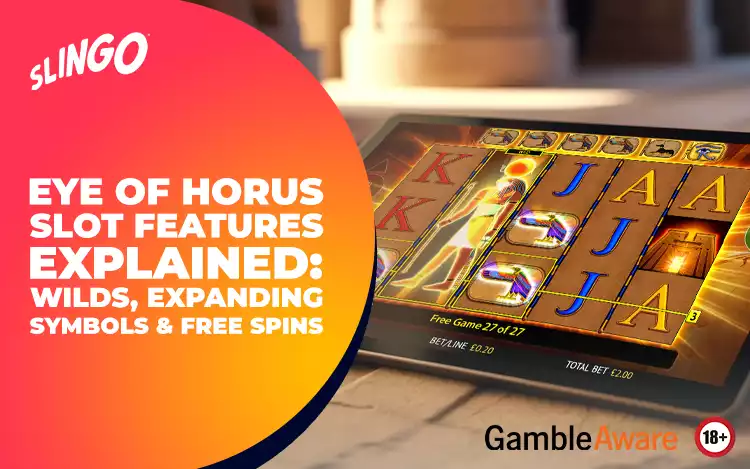
The UK’s online gaming scene functions under strict rules, where transparency and protecting players are non-negotiable https://eyeofhorus.games/en-gb/. Here, publishing detailed quality metrics for specific games establishes a crucial benchmark. For the popular Eye of Horus slot, releasing UK-specific standards offers everyone a clear, objective way to judge its performance, fairness, and compliance. These metrics cover more than just the return-to-player (RTP) percentage. They assess volatility, game mechanics, and how well the slot adheres to the UK Gambling Commission’s rulebook. This information enables UK players make informed choices. They can understand exactly what they’re playing, which fosters trust and encourages responsible play that matches what UK regulators want to achieve.
To grasp why these standards were published, you have to see the unique demands of the UK market. The UK Gambling Commission requires all licensed operators to provide clear details on game rules, odds, and RTP. Publishing a full set of quality metrics for a title like Eye of Horus, however, is a proactive step. It’s a move by the game’s provider or a leading operator. This action addresses calls for greater transparency. It aims to clarify how the game performs and tries to set a new bar for sharing information. This enhances consumer confidence. It also helps the game stand out in a crowded market, showing a dedication to the high integrity UK players expect from regulated companies.
Grasping the Key Quality Metrics
The published standards concerning the Eye of Horus slot center on various core measurements. The most common is the game’s Return to Player (RTP) percentage. This is a theoretical figure indicating the projected amount returned to players over a very long period of play. For the UK market, this number is clearly stated and checked versus UKGC rules. Next to RTP, the risk rating is crucial. It determines the frequency and how big wins can be, labeling the slot as low, medium, or high risk. This enables players align a title’s payout style according to their own gaming preferences. The measurements also include hit frequency, which reveals the rate at which a winning combination should appear, and the highest win potential, stating the maximum cap a player can win during a single spin or feature.
Apart from these numbers, the excellence standards comprise technical and fairness certifications. This indicates verification conducted by independent testing houses including eCOGRA or iTech Labs. They validate that the RNG (RNG) behind the game’s results is random and unbiased. The publication also covers the game’s compliance with UK-specific rules. This encompasses the restriction on features that hasten play, such as turbo spin, and the requirement to show real-time loss and session duration. Together, these elements form a complete picture of the slot’s operational integrity. They make certain it is not only entertaining, but also works within the stringent ethical and technical lines drawn by the UK regulator. This establishes a transparent and safe environment for players.
RTP and Volatility in the British Context
For British players, the listed RTP of Eye of Horus goes beyond a number. It’s a basis for educated decision, required by the authority. The UKGC demands this value be easy to find. This enables players compare games based on their expected return. In the established guidelines, the RTP is displayed as a extended statistical norm, not a promise for any single playing session. Establishing this distinction explicit helps control player hopes. This transparency aids the UKGC’s aim of avoiding consumer harm. It permits players to make conscious judgments based on validated figures, not simply on a game’s design or marketing.
Variance is a far more subtle idea, but it’s equally vital for player safeguarding in the Britain. A machine with elevated volatility, which Eye of Horus commonly exhibits, may offer bigger wins that come less frequently. This impacts how players manage their funds and how extended a play endures. By clearly publishing this metric, the standards help players understand the game’s underlying uncertainty. They can then pick games that fit their personal comfort with danger and their betting method. This is a key component of responsible gambling. Putting a open RTP together with a clear risk rating gives a twofold understanding that UK players value. In a sector where knowledge is a major resource for security, this data is essential.
Game Mechanics and Feature Transparency
The assessment criteria for Eye of Horus detail its game mechanics thoroughly. This makes sure players clearly see how wins are formed and how features trigger. It provides a thorough examination at the symbol paytable, what the Eye of Horus wild symbol accomplishes, and how the Gamble feature works. Crucially, for the UK version, the standards outline how the Gamble feature adheres to local regulations. This might involve limits or mandatory warnings about the risk of losing winnings. This level of detail prevents confusion about how features work. It is essential for fair play and meets the UKGC’s rule that all important game rules are presented transparently before a player stakes money.
The standards also precisely describe how to trigger the Free Spins bonus round, including how often it may trigger. They clarify how special symbols, like expanding wilds, behave during these bonus games. They detail any multipliers or other mechanics that are involved. This transparency reaches the game’s maximum win cap, a vital fact for managing expectations. By explaining these occasionally complicated mechanics, the published document ensures the ancient Egyptian theme is backed by a modern commitment to clarity. Players can enjoy the story and excitement of the slot while having a solid, factual understanding of how every spin and bonus event works. This is a basic right under the UK’s licensing conditions.
Compliance Standards and Player Protection
The British standards for Eye of Horus are deeply connected to the country’s comprehensive player protection regulations. A major component of the disclosed figures checks compliance with the UK Gambling Commission’s Licence Conditions and Codes of Practice (LCCP). This includes verification that the game’s software operates with the national multi-operator self-exclusion scheme, GAMSTOP. It also validates support for mandatory account-level tools like deposit limits and reality checks. The standards ensure the game does not contain any design elements that could be perceived as overly addictive or that promote gambling. This adheres to the UKGC’s strict guidelines on game design.
On top of this, the metrics verify the game meets technical needs for real-time information displays. The rules require that player screens present clear data on total net loss and total time spent playing during a session. The standards document would validate these displays are accurate, always visible, and not intrusive, as the regulations state. By releasing these compliance points, the provider or operator proves that Eye of Horus is more than a fun diversion. It is a product constructed within a strong ethical framework. This public statement of dedication to player protection rules builds a base layer of trust. It reflects a commitment to customer welfare that matters as much as the game’s entertainment value.
The function of Independent Testing and Certification
The trustworthiness of the disclosed performance figures for Eye of Horus depends on certification from external testing laboratories. These independent organisations, accredited by the UK Gambling Commission, conduct thorough tests on the game’s software. Their key task is to examine the integrity and chance of the Random Number Generator (RNG). They guarantee every spin’s outcome is independent and unforeseeable, which ensures fair play. The disclosed benchmarks will certify certifications from agencies like eCOGRA, GLI, or iTech Labs. This provides a stamp of third-party endorsement that the stated mathematical models and RTP are correct and the game functions as described.
This independent checking reaches further than the RNG. It encompasses a complete examination of game rules, payout tables, and whether all bonus features operate properly. Testers confirm that the calculated RTP figure aligns with what is genuinely coded into the code. They also test for compliance with technical standards around data security and financial transactions. For the UK audience, these external accreditations are crucial. They convert the published metrics from promotional content into an verified technical document. This external scrutiny is a key part of the UK’s regulatory model. It offers both the regulator and the public impartial confidence that the game satisfies high international standards for fairness and operational integrity.
Influence on Operator and Player Decision-Making
Issuing thorough quality standards for Eye of Horus alters how both operators and players in the UK make decisions. For online casino operators, providing a game with such open, audited metrics becomes a powerful selling point and a compliance safety net. It enables them promote the game assuredly, aware its fairness and regulatory standing have been verified by an outside party. This lowers their own risk and enhances their brand’s reputation for honesty. Operators can use this data to administer their game libraries strategically. They can tailor player preferences for certain volatility levels or feature sets, and prove regulators they are devoted to offering transparent products.
For players, this information is a tool for empowerment. It transforms game selection from being purely about looks or theme to an informed review of performance traits. A player seeking longer sessions might select a low-volatility slot. Another pursuing bigger jackpots might select a high-volatility game like Eye of Horus, entirely aware of the associated risk pattern. This insight assists with responsible money management and establishes realistic expectations. In the end, making these standards available fosters a more developed and assured relationship between the player and the operator. It views the player as an informed consumer making deliberate choices within a regulated system. This is the central aim of the UK’s consumer-focused approach to gambling regulation.
FAQ
What precisely are the “Quality Metrics” published for Eye of Horus?
The released Quality Metrics are a complete collection of data and certifications for the Eye of Horus online slot, designed for the UK market. They include the game’s verified Return to Player (RTP) percentage, its volatility rating, hit frequency, maximum win potential, and details of its bonus features. Crucially, they also validate independent RNG certification and full compliance with UK Gambling Commission rules on player protection tools and game design.
How come the RTP percentage so vital for UK players?
The RTP indicates a game’s theoretical payout over an long period. UK rules demand its clear disclosure to ensure transparency. For players, it enables for informed comparisons between games, which helps manage expectations and budgets. A higher RTP implies a lower long-term house edge, but it does not promise specific results in a single session. This transparency is a key part of the UK’s player protection system.
How does the game’s volatility impact my gameplay?
Fluctuation outlines the risk and return pattern. Eye of Horus is typically a medium-to-high volatility slot. This suggests wins might be less frequent but can be bigger when they happen. Understanding this helps you select a game that suits your style: high volatility for greater payout potential with higher risk, or low volatility for more common, smaller wins. It directly shapes your strategy for managing your bankroll.
Is this data legally required in the UK?
The UK Gambling Commission does mandate key data like RTP and game rules to be provided. However, this targeted, consolidated publication of detailed quality metrics is a voluntary endeavor that goes beyond the basic legal obligations. It is a proactive step by the provider or operator to set a higher standard for transparency and build more faith with the UK’s knowledgeable players.
Who checks that these metrics are correct?
Correctness is checked by independent testing laboratories accredited by the UK Gambling Commission. These encompass eCOGRA, iTech Labs, or GLI. These third-party auditors meticulously test the game’s Random Number Generator (RNG) for true randomness. They validate the mathematical correctness of the RTP and paytables, and ensure all features work as described. Their certification provides the necessary external validation.
Do the criteria confirm the game is safe and impartial?
Indeed. The standards confirm fairness through independent RNG certification, which guarantees random outcomes. They also confirm safety by detailing compliance with UKGC player protection rules. This includes integration with GAMSTOP, support for deposit limits, and the display of reality checks and session data. This combined focus on fair mechanics and responsible gambling tools creates a transparent gaming environment.
How to use this information as a player?
Apply this information to make empowered decisions. Compare the RTP and volatility with other slots to find games that match your budget and risk tolerance. Learn how the bonus features trigger and what the maximum win caps are to set realistic expectations. Ultimately, it enables you to engage with the game as an informed consumer. This is a key part of responsible gambling in the regulated UK market.

Launch Your Vision With Us
Join CoderScotch to unlock tech possibilities! Collaborate on innovative projects, get expert support, and turn ideas into success with your trusted partner
Inquiry NowRecent Blogs

Лучшие казино онлайн 2026 для новичков и профи – рекомендации экспертов
Nov 25, 2026
1 min
Покердом — особенности и преимущества популярного онлайн покер-рума и казино
Nov 25, 2026
1 min
Ice Fishing live casino game by Evolution – how to play on mobile devices
Nov 25, 2026
6 min
Tags
Share Your Requirements!

Share:
Preferred source on