The tourism industry is one of the world’s most dynamic and influential sectors. It connects cultures, supports local economies, creates jobs, and gives people the opportunity to explore new destinations and experiences. From family vacations and adventure travel to business trips and luxury getaways, tourism touches almost every corner of the globe.
Over the years, the industry has evolved far beyond simple travel and accommodation. Today, tourism includes airlines, hotels, tour operators, travel agencies, restaurants, transport services, attractions, and digital platforms that bring everything together. As travelers become more informed and expectations rise, the industry continues to adapt to deliver more personalized, seamless, and memorable journeys.
Looking to automate bookings, personalize travel experiences, or add an AI chatbot to your tourism platform? Let’s build it together.”
Tourism plays a critical role in economic growth. It generates millions of jobs, especially in developing regions where tourism can be a major source of income. Small businesses such as local guides, restaurants, souvenir shops, and transport providers often depend heavily on tourist activity.
Beyond economics, tourism also promotes cultural exchange. Travelers learn about new traditions, cuisines, and lifestyles, while host communities gain exposure to global perspectives. When managed responsibly, tourism can also encourage environmental conservation and preservation of heritage sites.
Modern travelers are more tech-savvy and experience-driven than ever before. They expect:
This shift has pushed tourism businesses to adopt digital tools such as online booking systems, mobile apps, review platforms, and real-time communication channels.
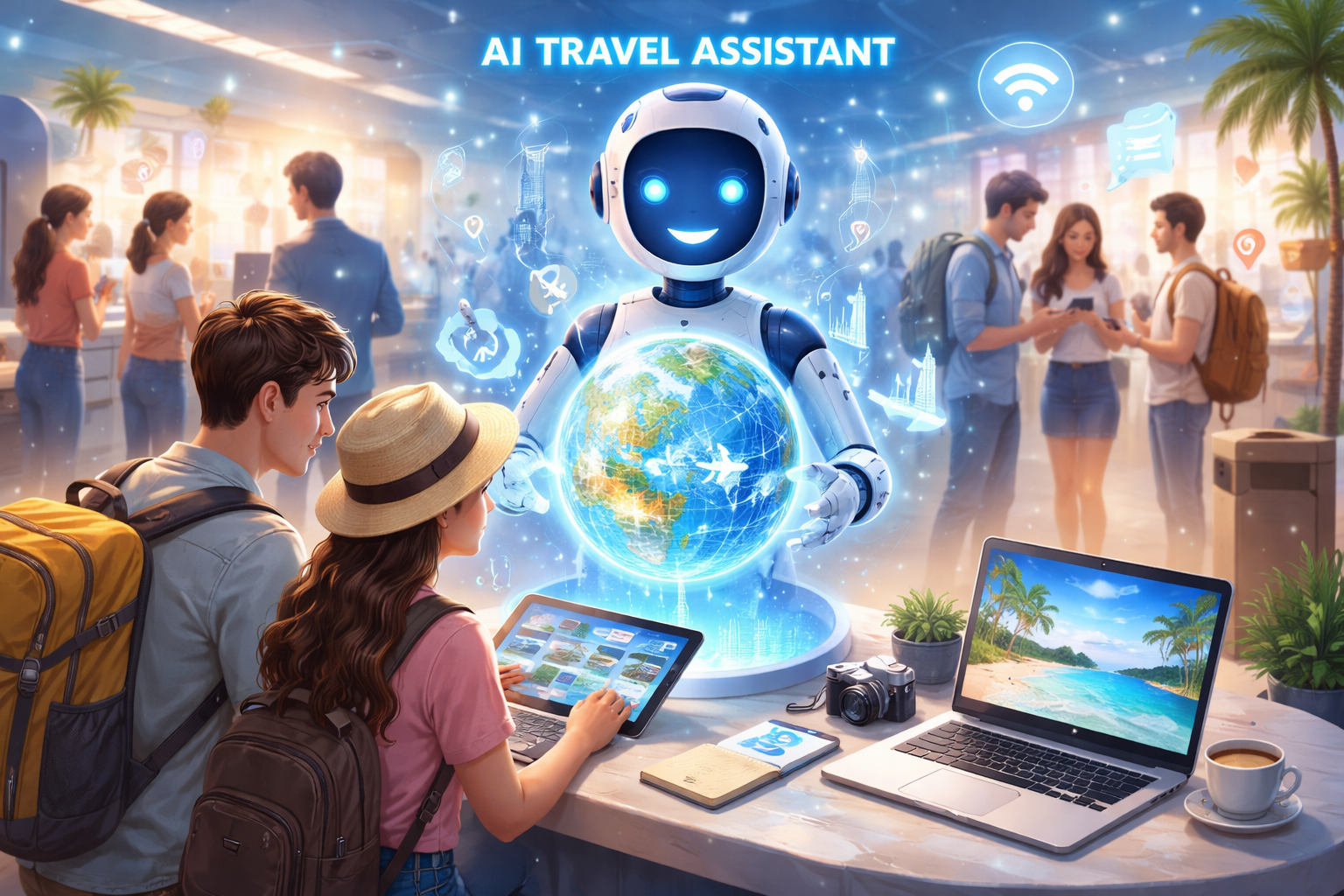
Artificial Intelligence (AI) is now becoming a powerful driver of innovation in the tourism sector. It helps businesses improve efficiency while delivering better experiences to travelers.
Some key ways AI is helping the tourism industry include:
1. Smart Trip Planning
AI can analyze traveler preferences, budgets, and past behavior to recommend destinations, hotels, and activities. Instead of browsing dozens of websites, travelers can receive tailored suggestions in seconds.
2. AI Chatbots and Virtual Assistants
AI-powered chatbots on websites and messaging apps (like WhatsApp) can answer customer questions 24/7. They help with booking confirmations, itinerary details, cancellation policies, and even last-minute changes—reducing workload on human support teams.
3. Personalized Marketing
AI helps tourism companies send the right offers to the right customers. By analyzing data, businesses can promote relevant tours, seasonal deals, or upgrades that match individual interests, increasing conversion rates.
4. Demand Forecasting and Pricing
Hotels and airlines use AI to predict demand and optimize pricing. This allows better inventory management, fewer empty rooms or seats, and more competitive pricing for travelers.
5. Enhanced On-Trip Experience
From AI-based translation tools to smart recommendations for nearby attractions and restaurants, travelers can enjoy smoother and more immersive experiences at their destination.
As technology continues to advance, the tourism industry will become even more intelligent, automated, and customer-centric. AI will not replace human hospitality, but it will enhance it—handling repetitive tasks, providing insights, and enabling staff to focus on creating meaningful experiences.
In the future, the most successful tourism businesses will be those that combine authentic human service with smart digital solutions. By embracing AI responsibly, the tourism industry can offer travelers faster service, better personalization, and unforgettable journeys—while operating more efficiently and sustainably.
Tourism has always been about discovery. With AI as a supporting partner, that discovery is becoming smarter, easier, and more exciting than ever. 🌍✈️